

A lot of shipping takes place between the US and Jamaica at Montego Bay, which makes it easy to ship cargo and barrels filled with clothing, toiletries, or food, including large containers for vehicles and furniture. When you need to pick up cargo or a barrel at the Montego Bay Port, you will find these helpful tips important to know about clearing barrels at Montego Bay Jamaica.
Jamaican Language and Common Phrases
What languages are spoken in Jamaica? The most commonly spoken language is Jamaican English, and then Jamaican Patois. Jamaican English is the official language of Jamaica and is widely used in media, education, government, and business. The English used in Jamaica has mostly British grammar and spelling in its colonial history, but American English has also changed it over the years. The majority of Jamaicans do not speak English as a mother language but learn it as a second language in school, the first being Jamaican Patois. The most widely spoken language in the country is Jamaican Patois (also known as Patwa and Jamaican Creole). While Jamaica is the official language, many Jamaicans speak Patois in their day-to-day casual conversations. Compared to 50,000 English-speaking Jamaicans, 2.7 million speak Jamaican, a kind of Creole English born during the slave trade. The Jamaican Patois is a blend of African languages, English, Arawak (the original Jamaican language), Portuguese, French, Irish, Chinese, Spanish, and Scottish. It was considered to be the worst language in its history but it has since been regarded as the language of liberty and independence in Jamaican history. In addition to English and Jamaican Patois, what language do the Jamaicans speak, if anything? Arawakan, spoken by the indigenous people known as Taino, is Jamaica’s only living indigenous language. [siteorigin_widget class=”SiteOrigin_Widget_Image_Widget”][/siteorigin_widget] [siteorigin_widget class=”SiteOrigin_Widget_Image_Widget”][/siteorigin_widget] [bctt tweet=”Nuh everyting you yearry good fe talk” username=”Ace Global”] Learning the Jamaican Language It is good to learn a couple of phrases and words Jamaicans use in their everyday conversations when planning a vacation in Jamaica or start doing business there. The official language of Jamaica is English, which means that tourists to Jamaica who speak English have no trouble interacting entirely with the local population. But learning more about Jamaican ducks can help you connect with the local people and make your journey or business a more positive experience. It’s not about mastering the local language to speak it fluently. To the local people you meet and communicate with on your journey, attempts to respect the local style of speech should be courteous. If you take the time to listen to it you can easily understand the dialect. When the speaker is excited, words normally emerge fairly rapidly, but when there is a general conversation, the words come out much more slowly and are easier to understand. “Patois” from Jamaica is conveyed as much by gesture and drama as by rhythm and sound. This is how people exchange thoughts and emotions with very passionate people. The language appeared as the voice of a special and proud people, far more than a means of communication. Common Phrases in the Jamaican Language Some common Jamaican phrases you might come across or find useful: ‘Small up yuhself’ A good phrase to know when using crowded buses or taxis. It simply means making space. Notice how similar it looks to the English phrase “Small up yourself”. ‘Weh Yuh Ah Seh’ The translation of the word to English is equal to “What are you saying?” or otherwise “How are you doing?” The sentence can also be spelled as’ weh yaw seh.’ ‘Inna di morrows’ Used for saying goodbye. “Tomorrow” will be the literal version, which means “see you later.” ‘Boonoonoonoos’ Boonoonoonoos is a word for love in the Jamaican language. In Engish, this means “special person”. When visiting Jamaica, if you have a loved one with you, we suggest calling them a “boonoonoonoos friend” to share your feelings. It is often used to denote things or objects that are also pleasant. [siteorigin_widget class=”SiteOrigin_Widget_Image_Widget”][/siteorigin_widget] [bctt tweet=”Mi mouth a mi market” username=”Ace Global”] ‘Mi Soon Come’ Literally, the Jamaican word means: I am there. But don’t be mistaken if you’re told to come soon. The island’s weather is much more slow and sluggish than the rest of the planet, so this expression could be interpreted from a few hours to a few days. ‘Wah Gwaan’ If you heard the speech of former US President Barack Obama when he visited Jamaica ahead of his second term, you might have heard him greet his audience using this phrase. It is an informal welcome which means “How are you?” or “What’s up?”. ‘Kick Up Rumpus’ Kick-up rumpus means getting a nice riotous time. It was also the title of Colourman and Jackie Knockshot’s hit 1985 album. ‘Lickkle more’ In other words, ‘see you later’ or ‘goodbye’. For example, mi see yuh likkle more den – means I’ll see you later then. ‘Irie’ To say “all is well,” the Jamaican proverb “Irie” is also used. Be conscious that to greet others, Jamaica has several varieties. When someone asks “How are you?”, “My Irie” would be a reasonable response. ‘Ya Mon’ “Man” is an important word in the Jamaican language for the locals and is often used when you speak to someone, whether it is a child or adult. “No problem” or “yes” is the English version of the Jamaican word “ya mon”. For instance, if someone suggests to you a rum runner, you may want to say “Ya, mi!” ‘Chaka-Chaka’ Chaka-chaka is used when something is being perceived as low performing, disorganized, and messy. [siteorigin_widget class=”SiteOrigin_Widget_SocialMediaButtons_Widget”][/siteorigin_widget]

Document List
Shipping document lists is an example of documents used in International trade. There may be more documents needed based on the country of export, country of import and the goods being shipped.
What to Pack in a Barrel
A question we’re getting very often is “What can I pack in my barrels/drums?” or “What items are eligible to be shipped in a barrel to Jamaica?”. The answer is, pretty much anything. Yes, that’s right. You’re allowed to ship barrels to Jamaica containing all different types of items and goods, as long as they’re not listed in the prohibited items list. The most important thing to remember is to only pack ready-made products with a long lifespan. Shipping by the sea can take up to two months, so always be considerate of the type of stuff you’re putting in your barrels. What to Pack in a Barrel [siteorigin_widget class=”SiteOrigin_Widget_Image_Widget”][/siteorigin_widget] Dishes, utensils, cutlery, cups, pots and pans, jars, tupperware and plastic food containers. [siteorigin_widget class=”SiteOrigin_Widget_Image_Widget”][/siteorigin_widget] Food bags, plastic wrap, foil, and food clips. [siteorigin_widget class=”SiteOrigin_Widget_Image_Widget”][/siteorigin_widget] Dried pasta, noodles, tea bags, dried beans and legumes, rice, couscous, cold and hot drink powders (especially with sugar and milk inside), breakfast cereal, popping corn, biscuits, snacks, health foods and any type of protein powders. [siteorigin_widget class=”SiteOrigin_Widget_Image_Widget”][/siteorigin_widget] Tinned vegetables and fruits, meat, fish, baked beans, soups, milk and desserts. [siteorigin_widget class=”SiteOrigin_Widget_Image_Widget”][/siteorigin_widget] Peanut butter, spreads, jams, cooking oil, sauces, condiments, pickles, olives and coffee. [siteorigin_widget class=”SiteOrigin_Widget_Image_Widget”][/siteorigin_widget] Sewing kits, washing line, clothes hangers, clothes pins, and hangers. [siteorigin_widget class=”SiteOrigin_Widget_Image_Widget”][/siteorigin_widget] Shampoo, shower gel, liquid soap, soap, toothpaste, toothbrushes, face cream, body lotion, face scrub / wash, deodorant, suntan lotion, cotton wool, earbuds, and razors. [siteorigin_widget class=”SiteOrigin_Widget_Image_Widget”][/siteorigin_widget] Washing up liquid, washing detergent for clothing, bleach, sponges, cloths, pot scrubbers and any other cleaning material. [siteorigin_widget class=”SiteOrigin_Widget_Image_Widget”][/siteorigin_widget] Plasters (band-aids) bandages, antiseptic cream, allergy relief, tape, muscle rub, pain pills, flu/cold remedies, vitamins, bite relief, insect repellent, sickness relief, and rehydration salts. [siteorigin_widget class=”SiteOrigin_Widget_Image_Widget”][/siteorigin_widget] Any type of clothing and apparel, as well as soft furnishing, from blankets, covers, bed sheets, shower curtains, curtains, to towels and bath mats. [siteorigin_widget class=”SiteOrigin_Widget_Image_Widget”][/siteorigin_widget] Pens, pencils, colored pencils, pencil cases, backpacks, notebooks, craft supplies, sketch pad, books, educational aids, other school supplies. [siteorigin_widget class=”SiteOrigin_Widget_Image_Widget”][/siteorigin_widget] Flash light, candles, rope, tarpaulin, umbrella, rain poncho, water boots, batteries, vessels to hold water, and counter-top gas plate (WARNING: DO NOT include the GAS cylinder!) That was a brief list of plausible items to pack in a barrel. Of course, there are many more items and goods that can be shipped. If you have any doubts regarding your items eligibility you can contact us. [siteorigin_widget class=”PW_Call_To_Action”][/siteorigin_widget] What NOT to Pack in a Barrel [siteorigin_widget class=”SiteOrigin_Widget_Image_Widget”][/siteorigin_widget] Do not pack any items that need to be refrigerated, such as meat, fish, cheese, or other dairy products. [siteorigin_widget class=”SiteOrigin_Widget_Image_Widget”][/siteorigin_widget] Do not pack any fresh vegetables or fruits, flowers or plants, any forms of live animals; including birds (iand eggs) / sea life / reptiles / insects or other organisms! [siteorigin_widget class=”SiteOrigin_Widget_Image_Widget”][/siteorigin_widget] Do not pack any freshly prepared products, or partialy cooked foods, such as breads and baked goods, pizza and pastry items, microwave and oven meals, and fast food. [siteorigin_widget class=”SiteOrigin_Widget_Image_Widget”][/siteorigin_widget] Do not pack anything that is flammable, corrosive, explosive or dangerous in any way! [siteorigin_widget class=”SiteOrigin_Widget_Image_Widget”][/siteorigin_widget] Do not pack lighters, matches, gas cylinders of any kind, wet batteries (vehicle batteries) and fireworks. Other commonly prohibited items include: [siteorigin_widget class=”WP_Widget_Media_Video”][/siteorigin_widget] Plants Perishable items Drugs Intoxicating beverages Meat products Tobacco Firearms Animals Full list here. [siteorigin_widget class=”PW_Call_To_Action”][/siteorigin_widget]
Duties & Taxes
Import charges can vary when shipping to Jamaica – additional costs such as duties, taxes, and customs clearance fees collected by customs.

How to Clear a Barrel at Kingston Wharf Jamaica
When you receive notice that you have a barrel ready for pick up or you need to ship cargo at Kingston Wharves, there are a few steps you should know about clearing barrels at Kingston Wharf Jamaica to make the process go smoothly and quickly.
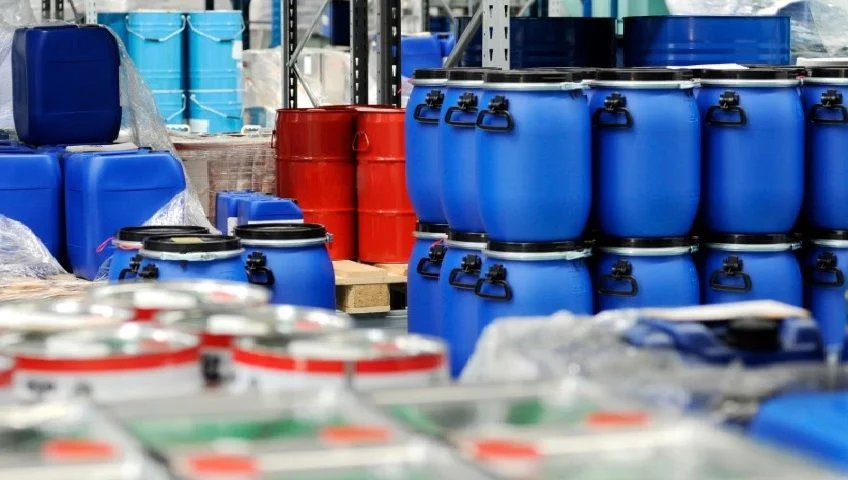
4 Things You Need to Know About Shipping a Barrel to Jamaica
Wondering how to go about shipping barrels to Jamaica from the US? Let the experts at Ace Global Company help you out with these free tips.
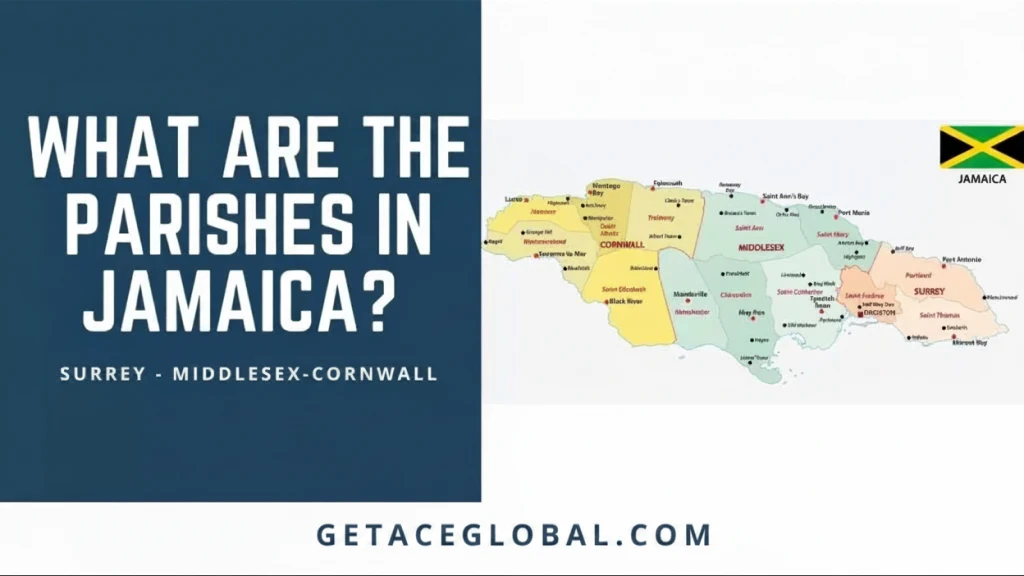
What are the Parishes in Jamaica to Ship Barrels to?
Wondering what are the parishes in Jamaica to ship barrels to? The island is divided into three counties – Cornwall, Middlesex, and Surrey – which are divided into 14 parishes.Located in the extreme southeast of the island, Kingston is Jamaica’s capital, Kingston is Jamaica’s largest city and capital, and an important commercial port. Each parish has a capital city, typically the center of commerce, and two parish capitals, Montego Bay in St. James and Kingston, have city status. Here is a list with all 14 parishes and their capitals, along with the price to ship a barrel door to door to each one of them. [siteorigin_widget class=”SiteOrigin_Widget_Image_Widget”][/siteorigin_widget] Parish: Kingston, Capital: Kingston Parish: St. Andrew, Capital: Half Way Tree Parish: Portland, Capital: Port Antonio Parish: St. Thomas, Capital: Morant Bay [siteorigin_widget class=”SiteOrigin_Widget_Image_Widget”][/siteorigin_widget] Parish: St. Catherine, Capital: Spanish Town Parish: Manchester, Capital: Mandeville Parish: St Mary, Capital: Port Maria Parish: St. Ann, Capital: St. Ann’s Bay Parish: Clarendon, Capital: May Pen [siteorigin_widget class=”SiteOrigin_Widget_Image_Widget”][/siteorigin_widget] Parish: Trelawny, Capital: Falmouth Parish: St. James, Capital: Montego Bay Parish: Hanover, Capital: Lucea Parish: Westmoreland, Capital: Savanna-La-Mar Parish: St. Elizabeth, Capital: Black River [siteorigin_widget class=”PW_Call_To_Action”][/siteorigin_widget] [siteorigin_widget class=”SiteOrigin_Widget_Image_Widget”][/siteorigin_widget] [siteorigin_widget class=”PW_Call_To_Action”][/siteorigin_widget] Kingston Parish in Jamaica The capital of Jamaica, Kingston, is the smallest but most populous city on the island. It is in front of the world’s seventh-largest natural harbor, protected by the Palisadoes, a long sandy spit that connects the city of Port Royal and Norman Manley International Airport to other islands. Colonel Barryn Hog Crawle founded Kingston on July 22, 1692, as a refuge from the June 7 earthquake that destroyed two-thirds of Port Royal. Before the earthquake, Port Royal was home to English buccaneers and was known as the “worst” city in the world for the unbridled lives of the townspeople, including the private Sir Henry Morgan. Ship a Barrel Door to Door to Kingston Parish in Jamaica from $220 St.Andrew Parish in Jamaica St. Andrew was one of the first congregations in Jamaica to be established by law in 1867. Before its founding, it was known as “Liguanea,” which was the word for the iguana Taino. St.Andrew is north, west, and east of Kingston. As Kingston’s popularity grew, wealthy Kingston residents began buying an old “pen” from St.Andrew’s. Corral “Originally a farm where cattle were raised, and until recently there were still many areas in St.Andrew called corals.” “Plume” was soon considered a derogatory term for people’s residences, and many of these enclosures were renamed “gardens”. Ship a Barrel Door to Door to St. Andrew Parish in Jamaica from $220 Portland Parish in Jamaica Portland is a parish that’s located on the northeast coast of Jamaica. It is located north of St. Thomas and east of St. Mary. The parish is known for its natural scenery, beautiful beaches, lush trees, numerous caves and rivers, and the top of the Blue Mountains. Ship a Barrel Door to Door to Portland Parish in Jamaica from $230 St. Thomas Parish in Jamaica Descending from the peaceful heights of the Blue Mountains to the pristine coast of southeastern Jamaica, St. Thomas Parish is one of the most beautiful on the island. It is bordered on the west by St. Andrew, on the north by Portland, and on the south by the Caribbean Sea. St. Thomas is bordered on the west by St. Andrew, on the north by Portland, and on the south by the Caribbean Sea. The land of St. Thomas stretches from the peaks of the Blue Mountains and Mount John Crow to sea level. Ship a Barrel Door to Door to St. Thomas in Jamaica from $220 St. Catherine Parish in Jamaica The parish of St. Catherine is located on the south coast east of the parishes of San Andrew, to the west between Clarendon and the north between St. Ana and St. María. St. Catherine was founded in 1867 when four small congregations came together and elected Queen Katherine (Catherine) of Charles II. The parish has long been a center of population. There lived the pre-Columbian Tainos, followed by the Spaniards who built their capital, San Jago de la Vega (now a Spanish city). Today, Sainte-Catherine is the second most populous and fastest-growing congregation with a large industrial and agricultural industry. Ship a Barrel Door to Door to St. Catherine in Jamaica from $220 St. Manchester Parish in Jamaica Manchester is located in the south of Jamaica. To the east is Clarendon Parish, while St. Elizabeth to the west and Trelawny to the north. On November 29, 1814, in the early 19th century, farmers at Clarendon Cafes, St. Elizabeth, and the hills of the then Blood Parish to form a separate parish. In the days before the abolition of slavery, the population of Manchester was never as large as the surrounding parishes, because the mountainous terrain was unsuitable for growing sugar, which was the most profitable crop on the island at that time. In 1942, Manchester was found to be one of the largest bauxite reserves in the country. Bauxite is a red mineral that is processed to produce alumina and finally aluminum. This discovery contributed to the growth and creation of the bauxite and aluminum industries in Manchester, which encouraged the rapid development of the church and, in particular, of Mandeville. Today, Manchester’s economy is deeply rooted in both bauxite and agriculture. Ship a Barrel Door to Door to Manchester in Jamaica from $230 St. Mary Parish in Jamaica St. Mary borders Portland to the east, St. Anne to the west, and parts of St. Catherine and St. Andrew to the south. St. Mary is known as one of the first parts of the island to be occupied by the Spaniards. In 1760, around Port Maria, the most significant rebellion in Jamaican history erupted and ultimately spread to most of the island. At the beginning of the 19th century, the parish had 63 sugar factories, but just three at the end of the century. As sugar fell, banana cultivation
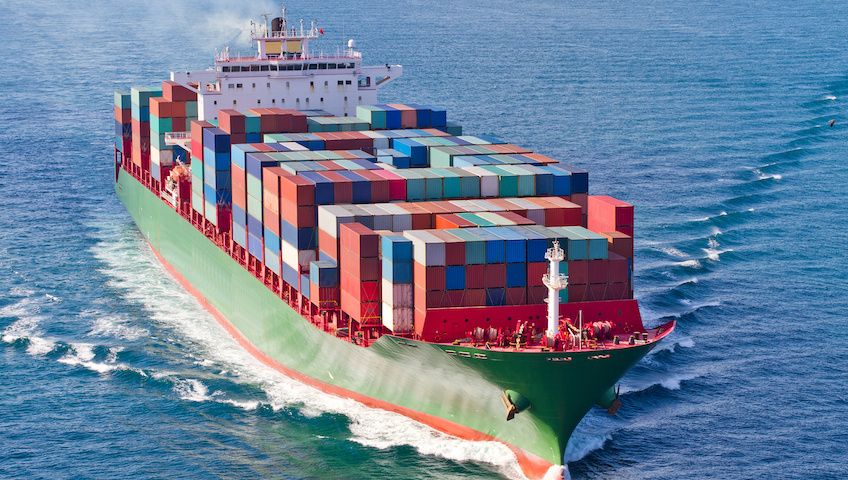
Time It Takes for a Barrel to Reach Jamaica from US
Wondering how to go about shipping barrels to Jamaica from the US? Let the experts at Ace Global Company help you out with these free tips.
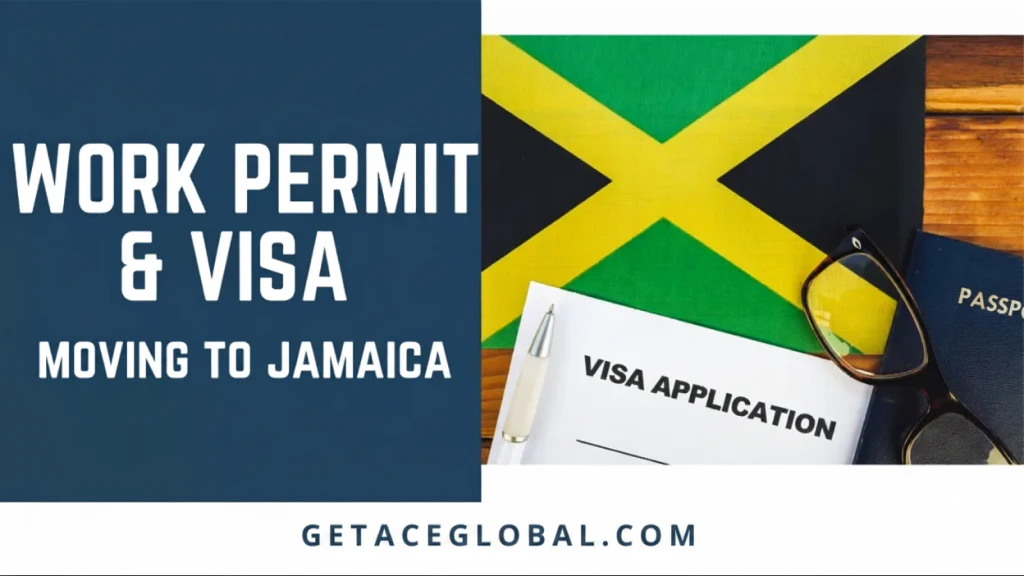
Moving to Jamaica – Work Permit & Visa [2021 UPDATED]
Finding a Job in Jamaica Moving to Jamaica is an exciting decision. Jamaica is a developing country with a diverse economic system; that is, the private sector and the state lead the economy. The primary industries are tourism, agriculture, manufacturing, mining, and insurance and financial services. Currently, the average monthly salary after taxes is $ 1,000. In addition, English is a widely spoken language in Jamaica. Employment opportunities for foreigners in Jamaica are somewhat limited, as local residents are theoretically given priority in the workplace to ensure that unemployment does not rise too high. That said, for specialized tasks with complex skills, you’re likely to have better luck. The employer should ask you for a work permit, then you should wait and hope that the Labor and Social Security Department feels generosity. Economic development projects are underway in the Kingston Harbor area, which will also increase employment opportunities. Construction is also expanding, although most jobs in this sector are being taken by locals. However, if you have specialized skills in this field, you may want to look into employment opportunities. Working Hours and Benefits in Jamaica Seven days a week, including Sunday, are now considered working days. The workweek is limited to 40 hours, and you can work up to 12 hours in a 24-hour period. You will get overtime if you work outside of these hours. The minimum wage is 7,000 JMD ($ 52) for a 40-hour workweek. You are entitled to a maximum of 2 weeks’ sickness benefit but the amount depends on how long you work for your employer. If you are pregnant, you are also entitled to 12 weeks of maternity leave if you have worked for your employer for one year but you will be only paid for 8 weeks. [siteorigin_widget class=”SiteOrigin_Widget_Image_Widget”][/siteorigin_widget] [siteorigin_widget class=”SiteOrigin_Widget_Image_Widget”][/siteorigin_widget] Annual leave is complex and depends on the length of your work, but on average you are entitled to 2 weeks of leave per year. Your spouse does not need a work permit if you are a Jamaican citizen, but if you are not, they can’t work on a visa and will need a separate permit if he/she is moving to Jamaica with you. If you are a citizen of the Commonwealth, your dependents (over the age of 18) can apply for a work permit upon arrival in Jamaica. Requirements to Start Working in Jamaica as an Expat When moving to Jamaica, without a work permit, you cannot legally work there but you must have a job offer before you can apply to the Labor and Social Security Administration (MLSS). You may apply for a permit at the time of your arrival in the country if you are a citizen of the Commonwealth. U.S. citizens who are not Commonwealth citizens should ensure that they obtain a work permit before applying for a work visa at the Jamaican Embassy or Consulate. The requirements mean that your employer will make most of the requests for you, but you will still need to provide: work permit application (you must complete the first part and the employer must do the rest) a letter from the employer describing the nature of the job and the reason why the Jamaican candidate could not be hired your CV (s) your qualifications (you must obtain apostille certificates or diplomas) Updated police inspection 2 photos 2 copies of your passport a complete tax registration request in the form of a tax certificate You will have to pay an application fee, the amount of which depends on your profession – you can check this with the MLSS. If you are self-employed, you can apply for a work permit through the MLSS. You will need the following documents: nature and duration of the work certified copies of your credentials 2 passport photos your CV (s) Updated Police Authority File You will need to pay a non-refundable processing fee of JMD$14,400 (US$109) but you will then need to pay for the permit itself (the duration of the permit determines the cost of it). Besides your work permit, you’ll also need an entry visa: certain countries have mutual visa arrangements with Jamaica, and before you formalize your arrangements you will be allowed to stay on the island for a limited period. If you have a specialization or other qualifications and experience in the music or mining sectors, you might want to consider Jamaica as an option. Tourism in Jamaica continues to be a booming area: the Tourism Minister has projected that the tourism sector will provide 41,000 new jobs on the island by 2022. [siteorigin_widget class=”SiteOrigin_Widget_Image_Widget”][/siteorigin_widget] [siteorigin_widget class=”PW_Call_To_Action”][/siteorigin_widget] Apply For A Visa/Permit when Moving to Jamaica If you are planning on visiting, working, or moving to Jamaica, you will need to apply for a visa. Read more about this process below. Visas If you are a British citizen, you do not need a visa to visit Jamaica and you are generally entitled to entry for up to 90 days. The date you must leave Jamaica will be stamped on your passport. If you wish to continue your stay after that date, you will have to apply to the Jamaican immigration authorities, but the government says Commonwealth citizens can be granted a maximum period of one year. If you are a U.S. citizen, you will not need a visa for up to the first six months on the island, and you can request an extension from the immigration authorities. If you are visiting the island on a cruise, you do not need a visa, although you will need to bring your passport/travel documents. The Embassy of Jamaica, the High Commission, the Consulate General, or the local consulate is responsible for issuing your Visa for entry. Only if you have applied for a residence permit you can apply for a long-stay visa. You need to submit your application in person for this kind of visa, and even children under the age of 18 must apply in person. The following documents are required to apply for